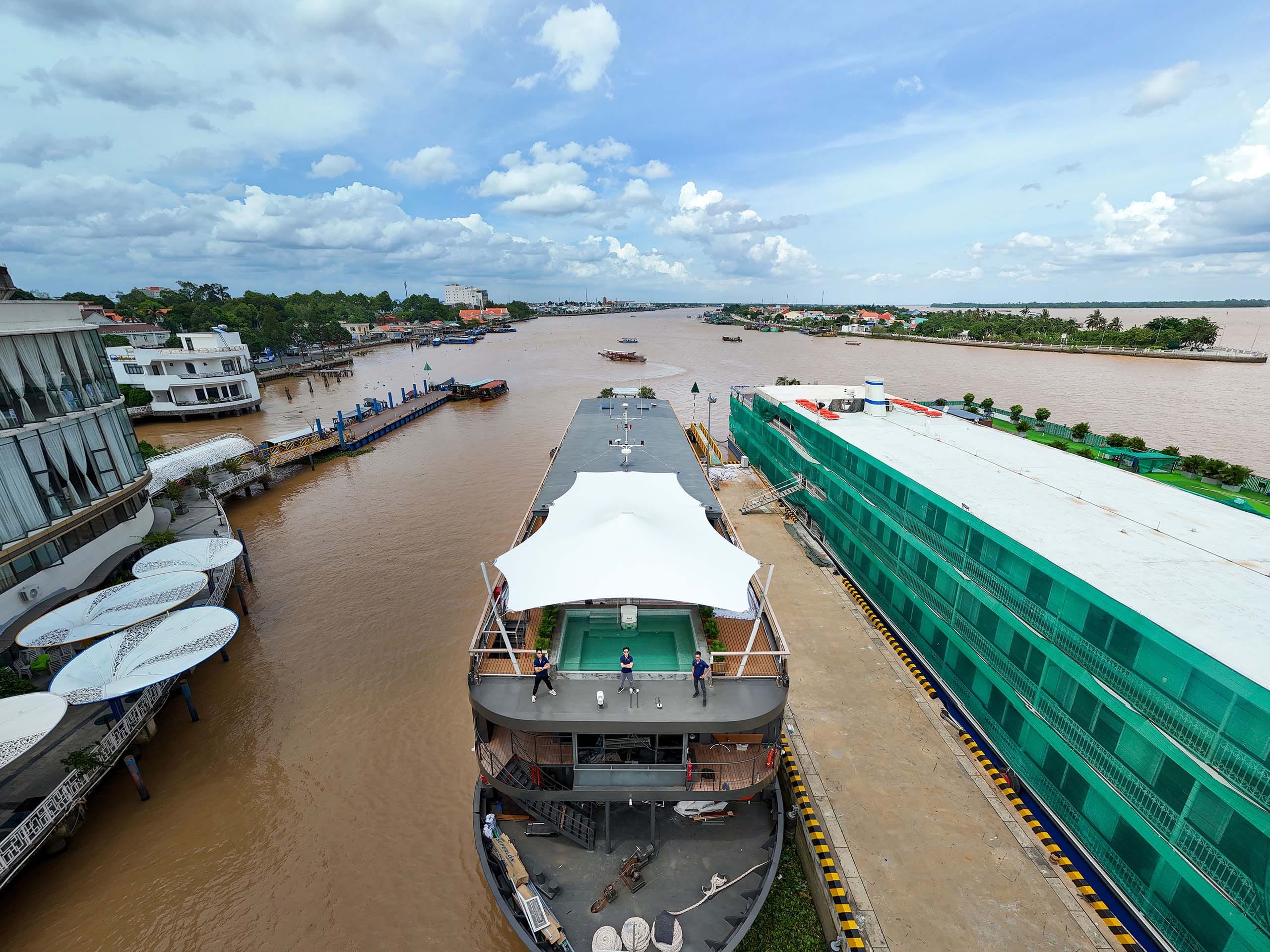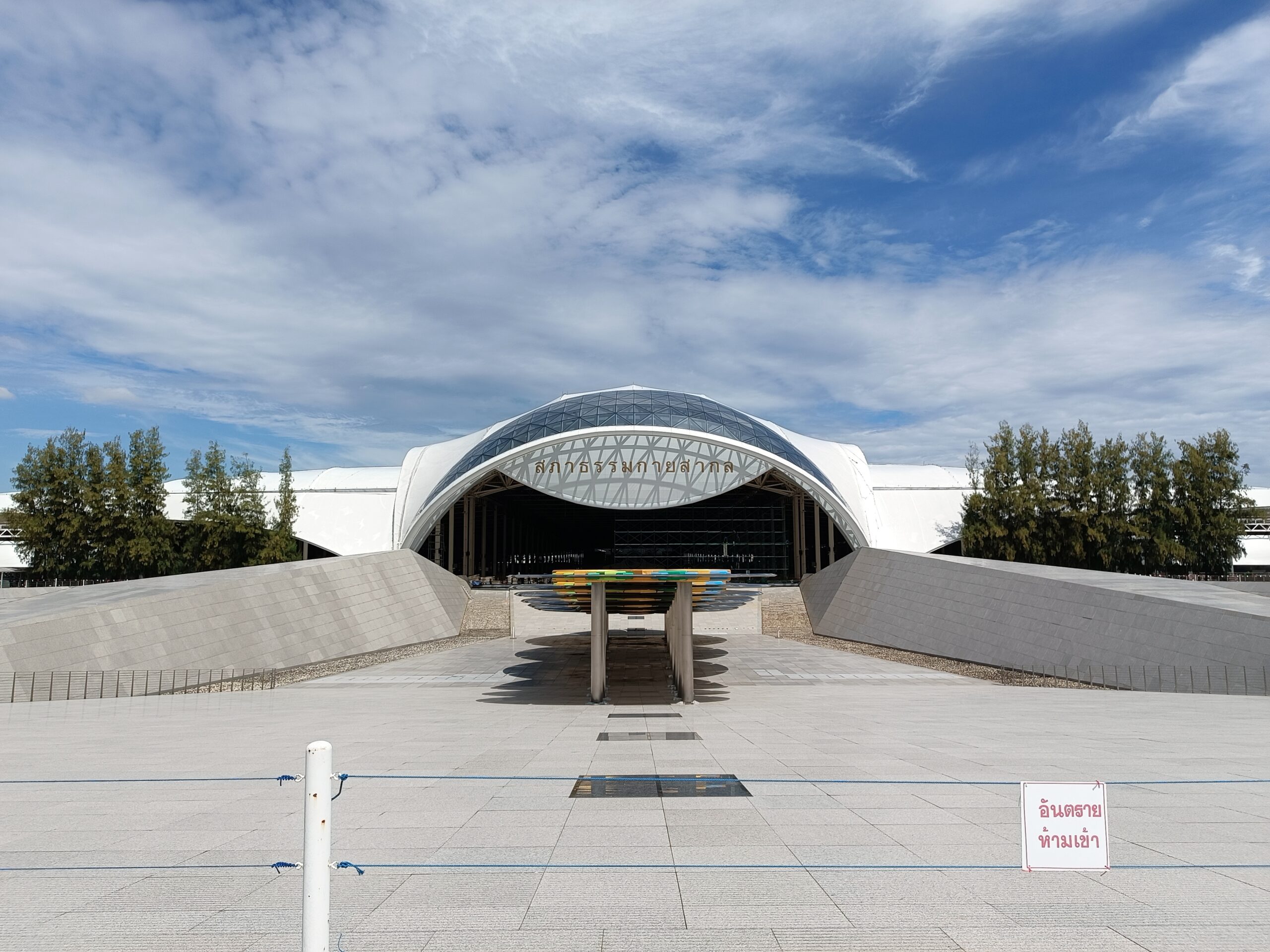




Today, Flexiiform, as a consultant and architectural solution provider specializing in tensile membranes, recognizes that high-end resort investors today face more complex problems than just building a luxury accommodation. Today’s travelers are not just looking for comfort, they crave connection, adventure and meaningful stories.
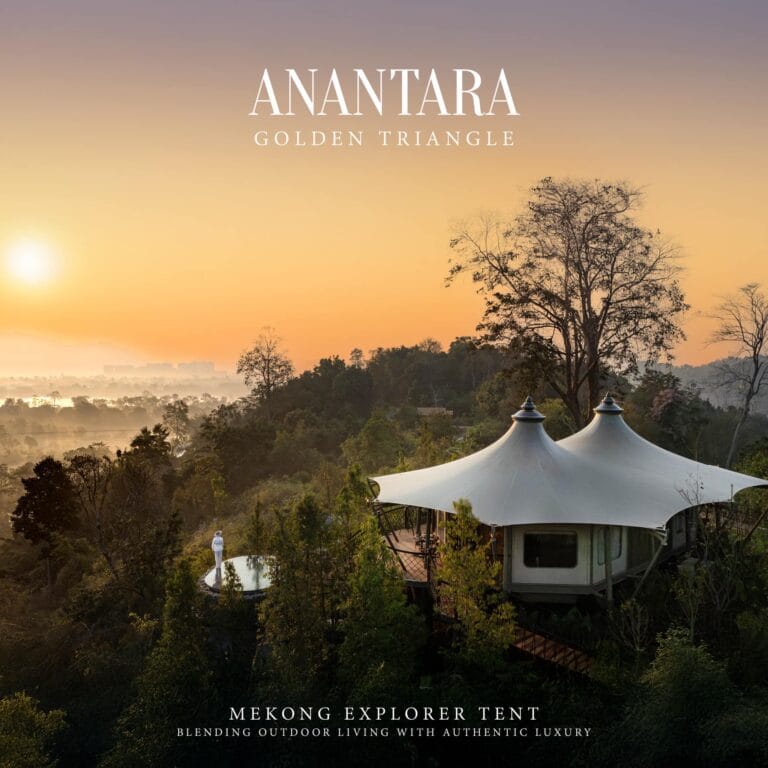
And when it comes to a successful model, we cannot help but mention the Model. Resort tent Anantara Golden Triangle is a typical case study, providing direct and practical answers. This article will analyze the core issues and solutions to understand the issues that make the Anantara resort tent model receive high appreciation. Specifically, the following contents will be analyzed:
- Product differentiation: symbiosis between new architecture, locality and nature
- Touching the value of sustainable resort architecture
- How to ensure the durability, safety and comfort of the project
- Enhance the material and spiritual value of the resort location
- Building a Sustainable Brand: Quality Experience and Subtle Adaptation
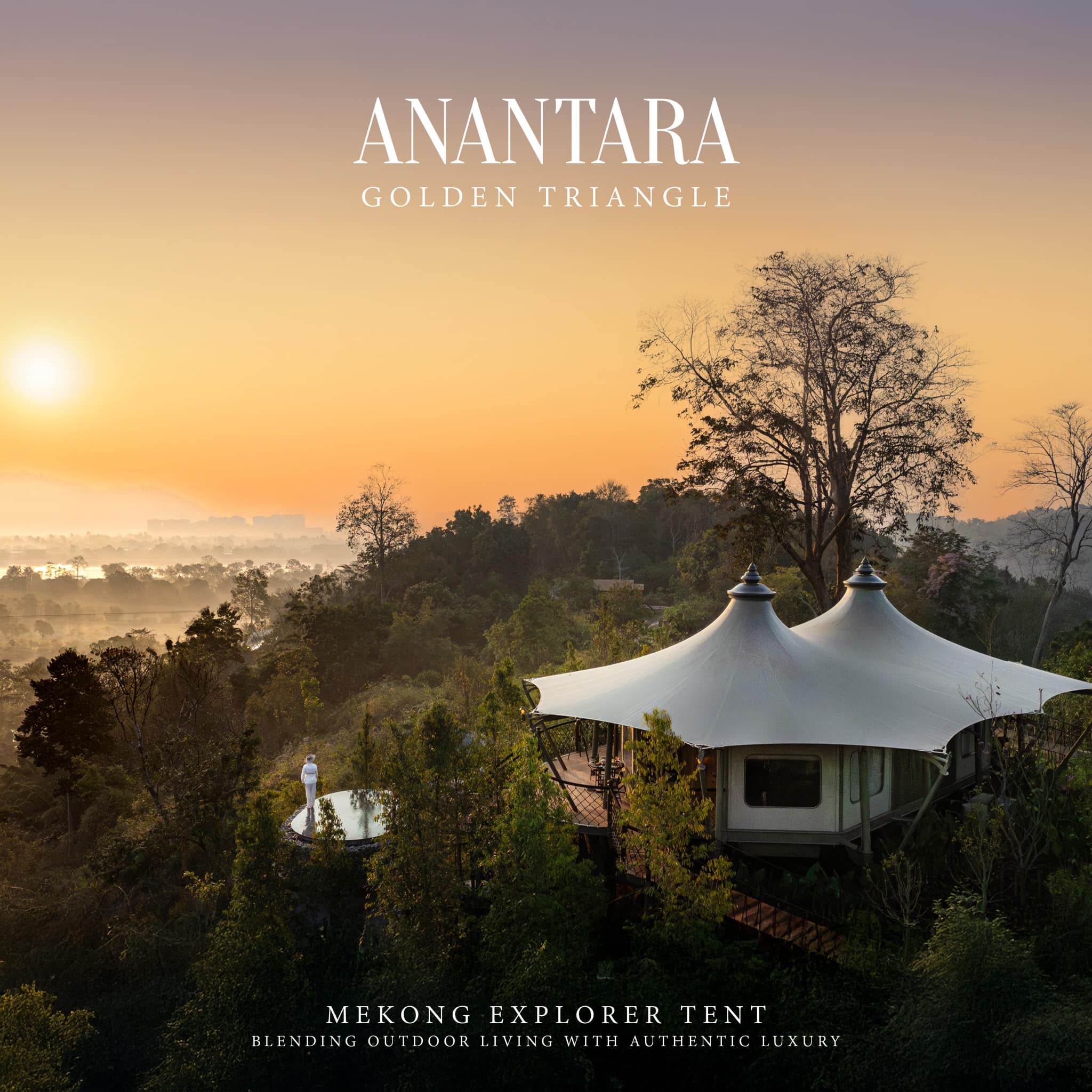
Anantara Golden Triangle – www.anantara.com
Issue 1: Creating a difference in product value in the high-end resort market: symbiosis between new architecture, locality and nature
- Investor's Challenge: There are too many 5-star hotels and resorts with similar concepts in the market. Creating a unique product that can command a premium price and attract the target customers is a big challenge. Today's high-end customers are looking for experiences, not just amenities.
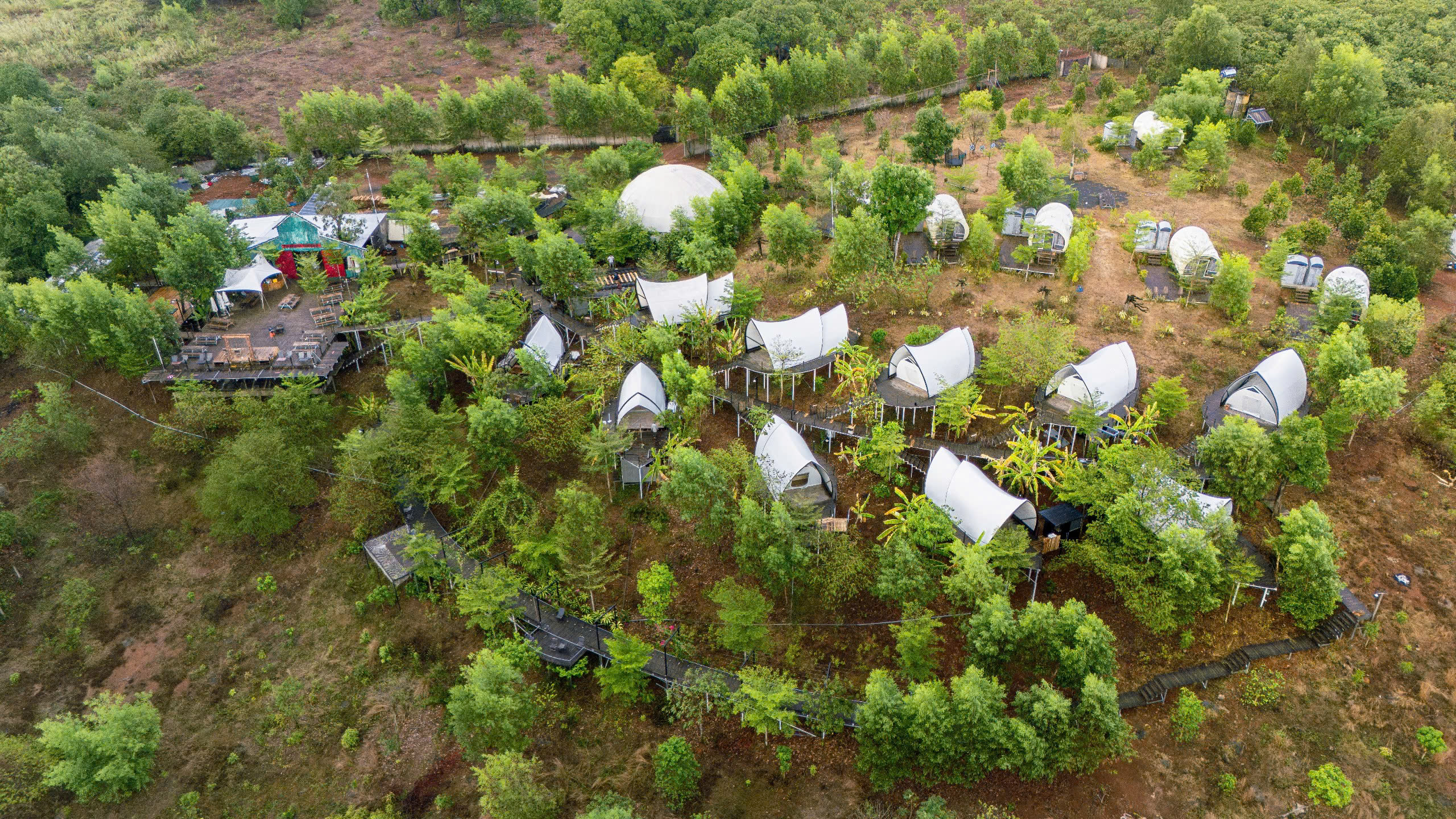
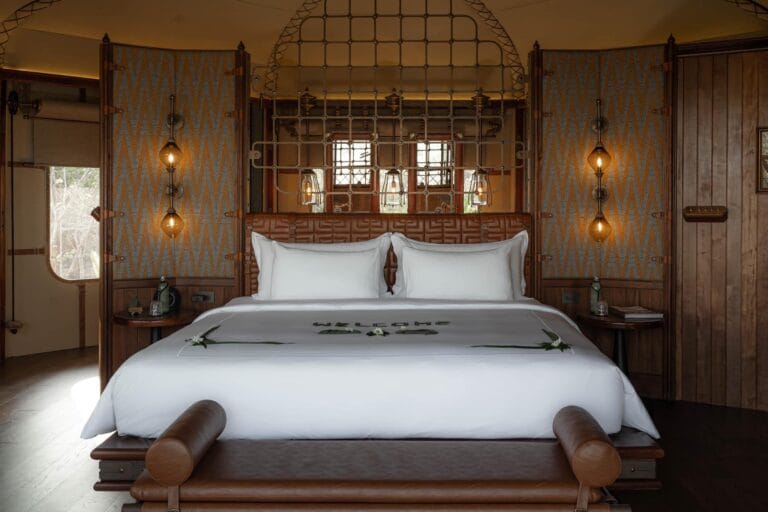
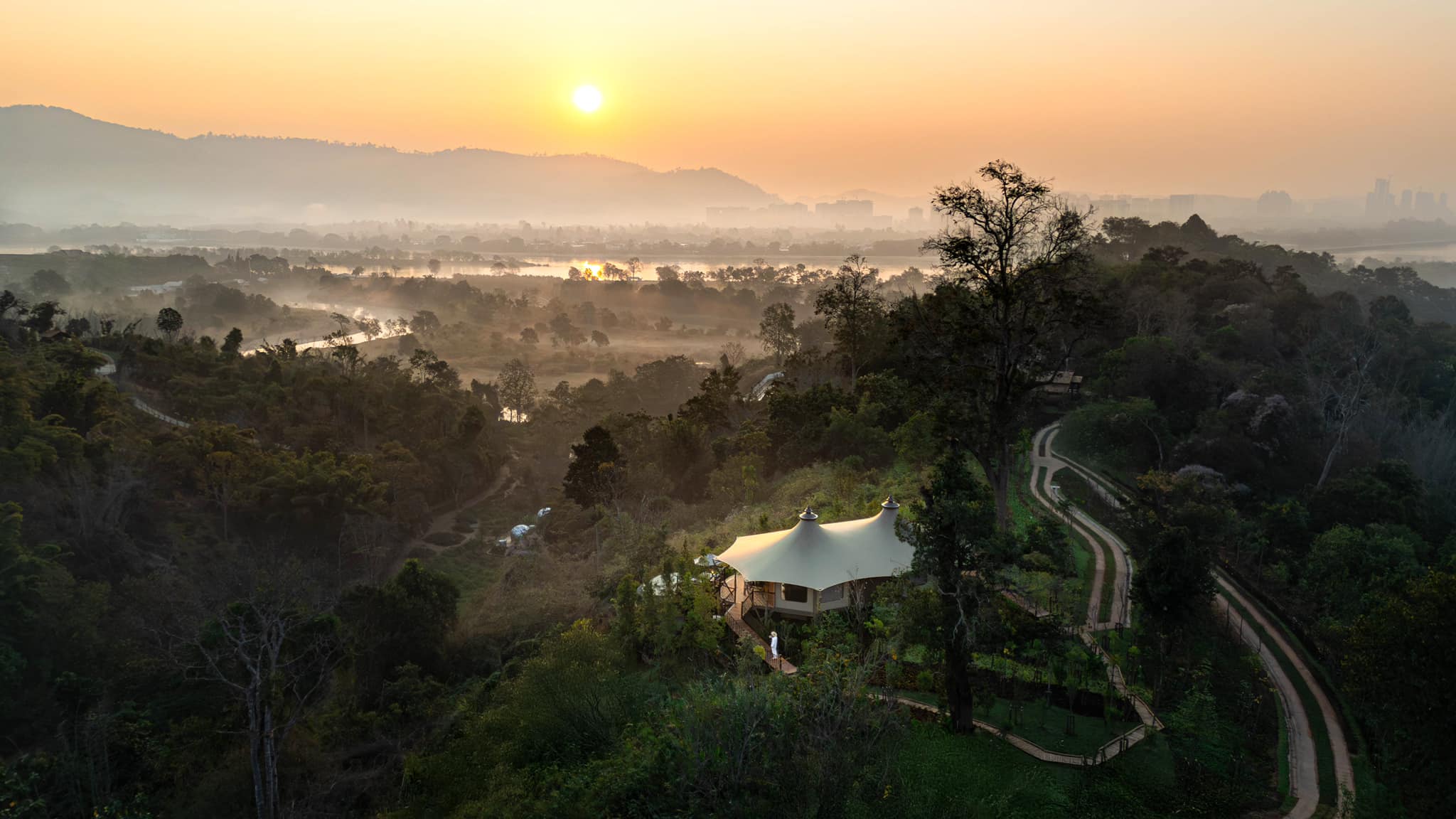
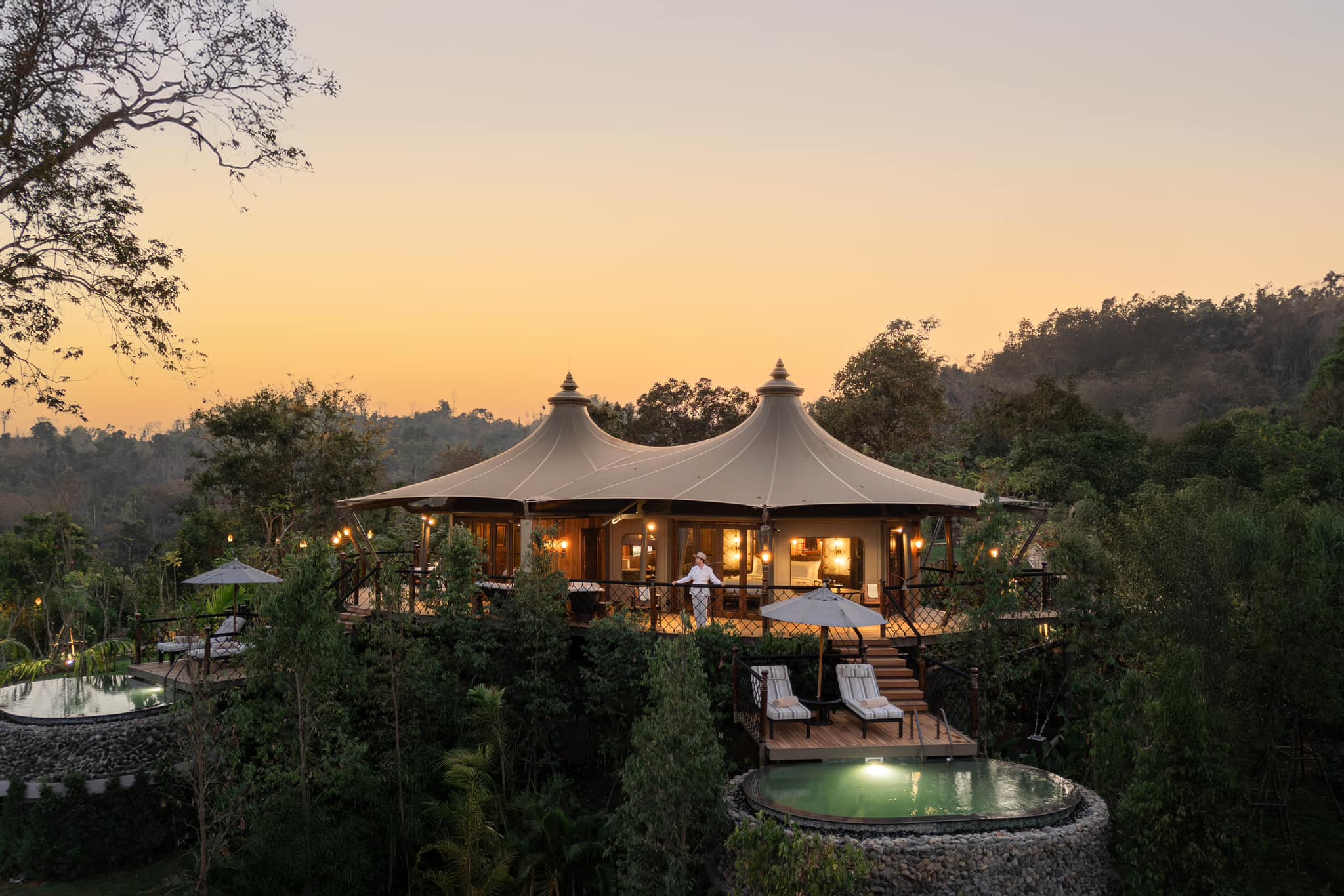
- Solution from Anantara Golden Triangle Resort offers a unique departure from traditional hotel architecture, offering guests an adventurous yet luxurious experience, immersed in nature. The unique architecture creates an unforgettable visual impression, different from conventional resorts, the interior space shows uncompromised luxury, high-end amenities, exquisite materials and meticulous design, meeting five-star standards.
Issue 2: Towards the value of sustainable architecture
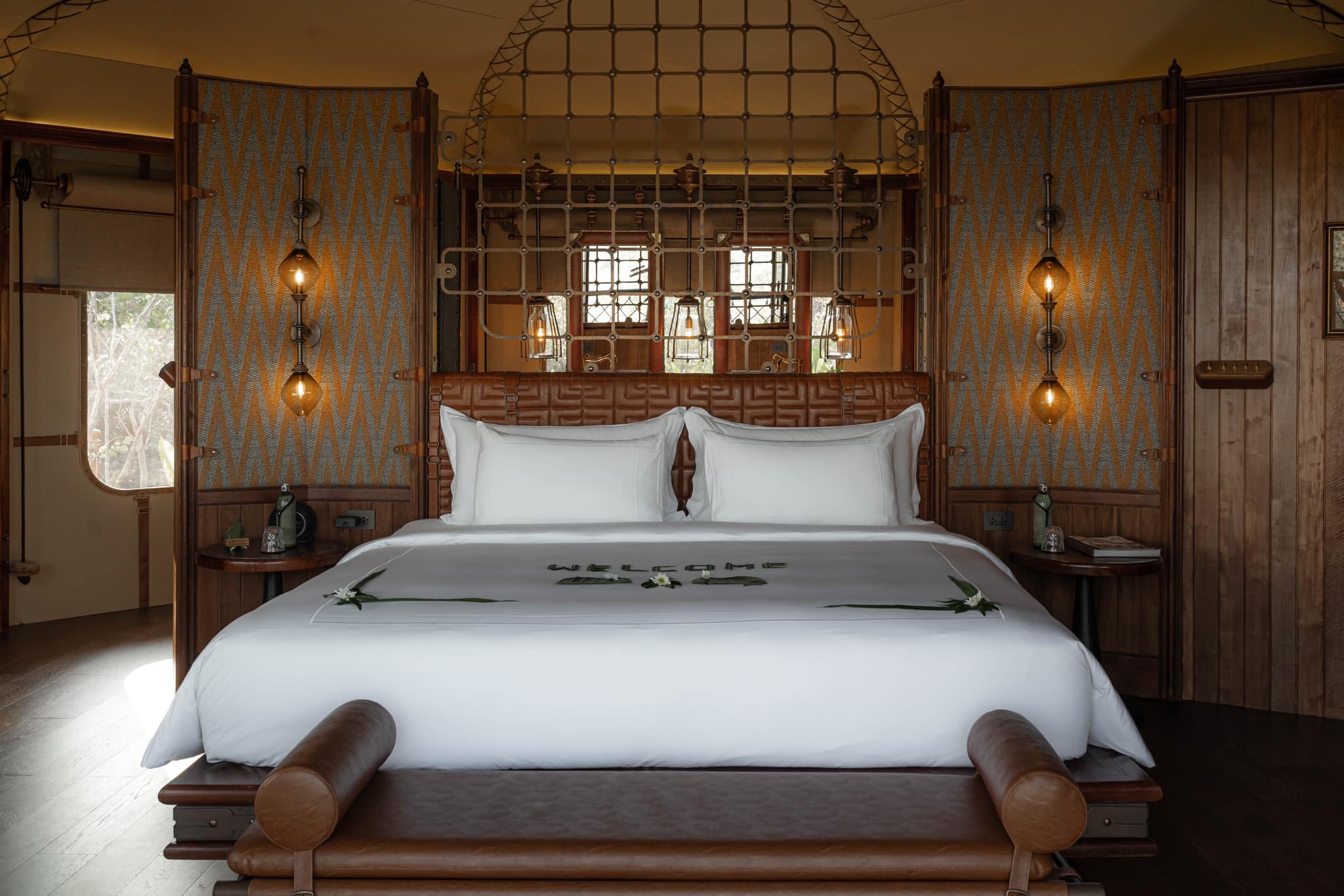
- Investor's Challenge: The most scenic locations are often the most difficult to build on (hillsides, forest edges, near water sources). Leveling the ground and building raft foundations using traditional methods is not only costly and time-consuming, but also destroys the natural landscape – the core element that creates the value of the resort.
- Solution from Anantara Golden Triangle Resort: The resort tent architecture uses a tensile membrane structure and a pre-fabricated steel/wood frame system, directly solving this problem.
– Ecological Element: This is a prerequisite. Resort architecture must passively solve the problem of microclimate. This means that the design must welcome cool breezes, block harsh sunlight, and withstand high humidity and storms. Solutions such as large roofs, cross-room ventilation, and the use of water for cooling are indispensable features. Furthermore, the architecture must preserve the existing ecosystem, retain trees, natural flow, and minimize the use of concrete on the ground surface.
– Cultural Element: A resort without cultural identity is just a soulless hotel. Resort architecture must be a mirror of local culture through the combination of using indigenous materials and applying new construction techniques to recreate folk architectural forms in a contemporary language. “Vernacularity” does not mean copying the past, but distilling the spirit of the place to bring unique experiences to visitors.
– Emotional Element: Resort architecture taps into behavioral psychology. Every detail from the entrance, lobby, walkway to the bedroom is designed to “guide” emotions. The lighting must be soft, the materials must be friendly to the touch, and the space must create privacy without isolation. This is the foundation of the trend. “Well-retreat” – where architecture acts as a spiritual therapy
Problem 3: How to ensure the durability, safety and comfort of the project in harsh climate conditions?
- Investor's Challenge: A major concern is whether the “tent” structure is durable enough to withstand years of rain, sun, wind and storms? Will it be safe (fireproof) and comfortable (insulated, soundproof) for customers?
- Solution from Anantara Golden Triangle Resort
The Role of New Materials and Technologies
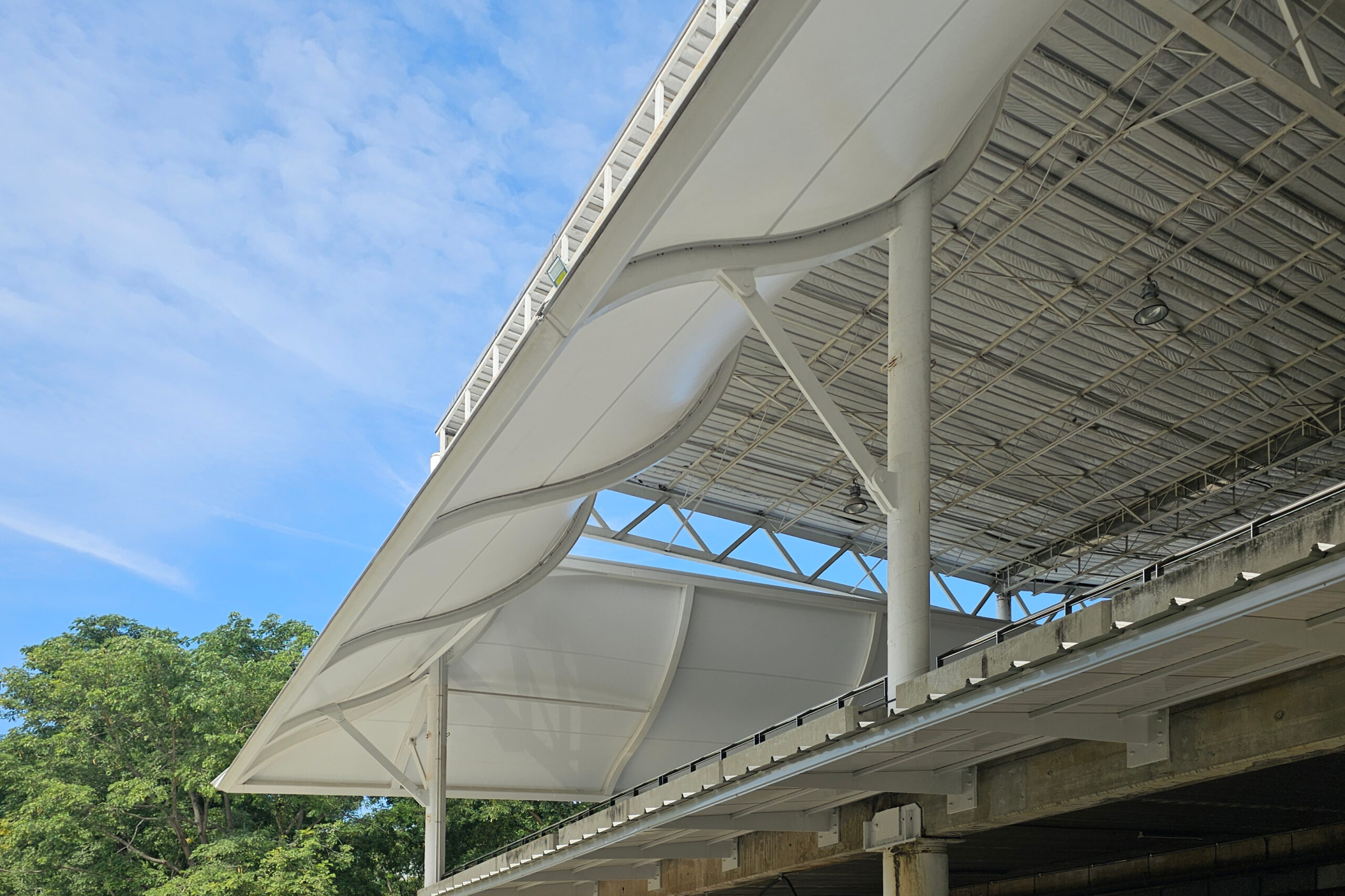
The tensile membrane structure of a luxury campsite is not made of ordinary canvas but uses high-tech materials, a key factor for the long-term success of the project. This tensile membrane not only serves as a shelter but also a new design language for recreational spaces, allowing the creation of organic shapes that mimic the curves of nature, something that rigid materials can hardly achieve.
The large span, translucency and light weight of tensile membranes, which minimize the structural impact, address a key challenge in resort architecture: the need for large spaces with minimal impact on the foundation and landscape. The combination of the natural properties of traditional materials with the lightweight properties of membranes is creating a new aesthetic for high-end eco-resorts.
Controlling the Jungle Microclimate: Humidity and Light
In the jungle, the challenge is not the heat but the humidity and lack of light.
Anti-mold: The humidity in the forest is always above 90%. Organic materials (leaves, common wood) will rot very quickly. The tensile membrane structure uses specialized canvas with anti-mold coating (biocide coating) and hydrophobic surface. The roof shape always has a large slope (>15 degrees) so that water and fallen leaves run off immediately, not rotting on the roof.
Light Diffusion: Under the dense canopy of trees, the light is very weak. The bungalows use highly translucent stretch film to bring natural light into the room (skylight). This helps keep the interior dry, reduces musty odors and gives visitors energy.
Insect-proof shell system: The jungle model makes full use of insect screen walls combined with membrane roofs. This allows the wind to circulate freely to cool the room, allowing guests to sleep “in the middle of the forest” while still being completely protected from mosquitoes and insects. This is a delicate balance between openness and closure.
Issue 4: Enhancing the material and spiritual values of the resort – How to maximize the value of views and experiences?
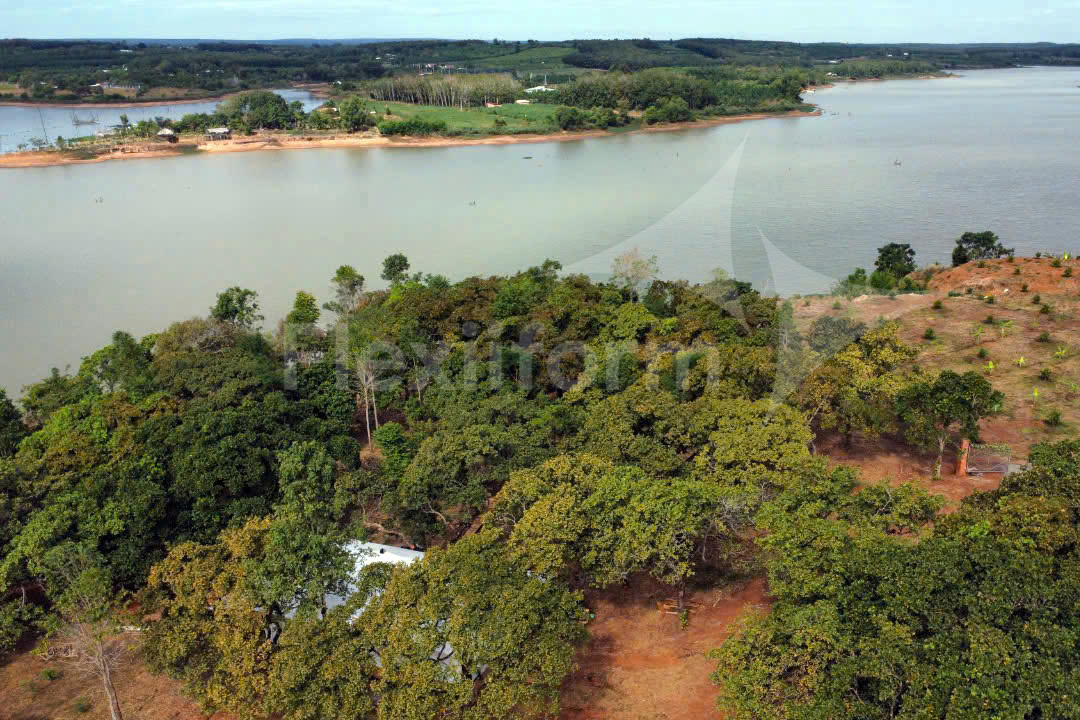
- Investor's Challenge: Your project has a million dollar view of the valley, river and mountains. How to fully exploit that value, so that customers not only “see” the beautiful scenery, but also “live” in it?
- Solution from Anantara Golden Triangle Resort: Design of the tent shows how to exploit vision intelligently.
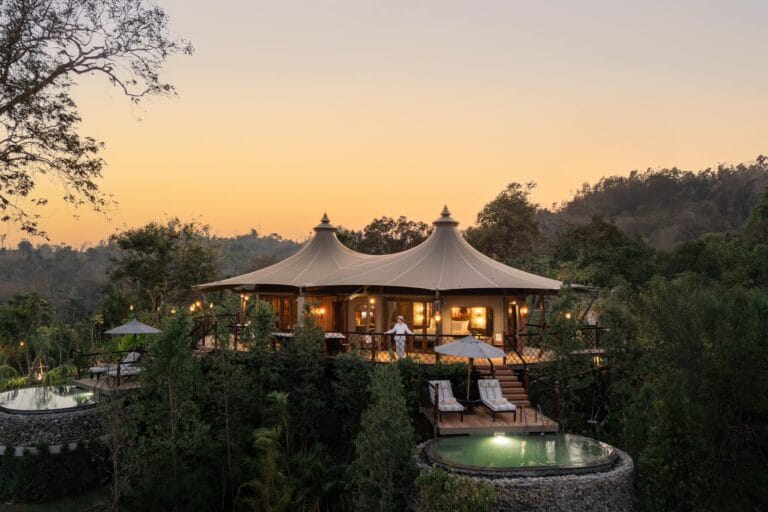
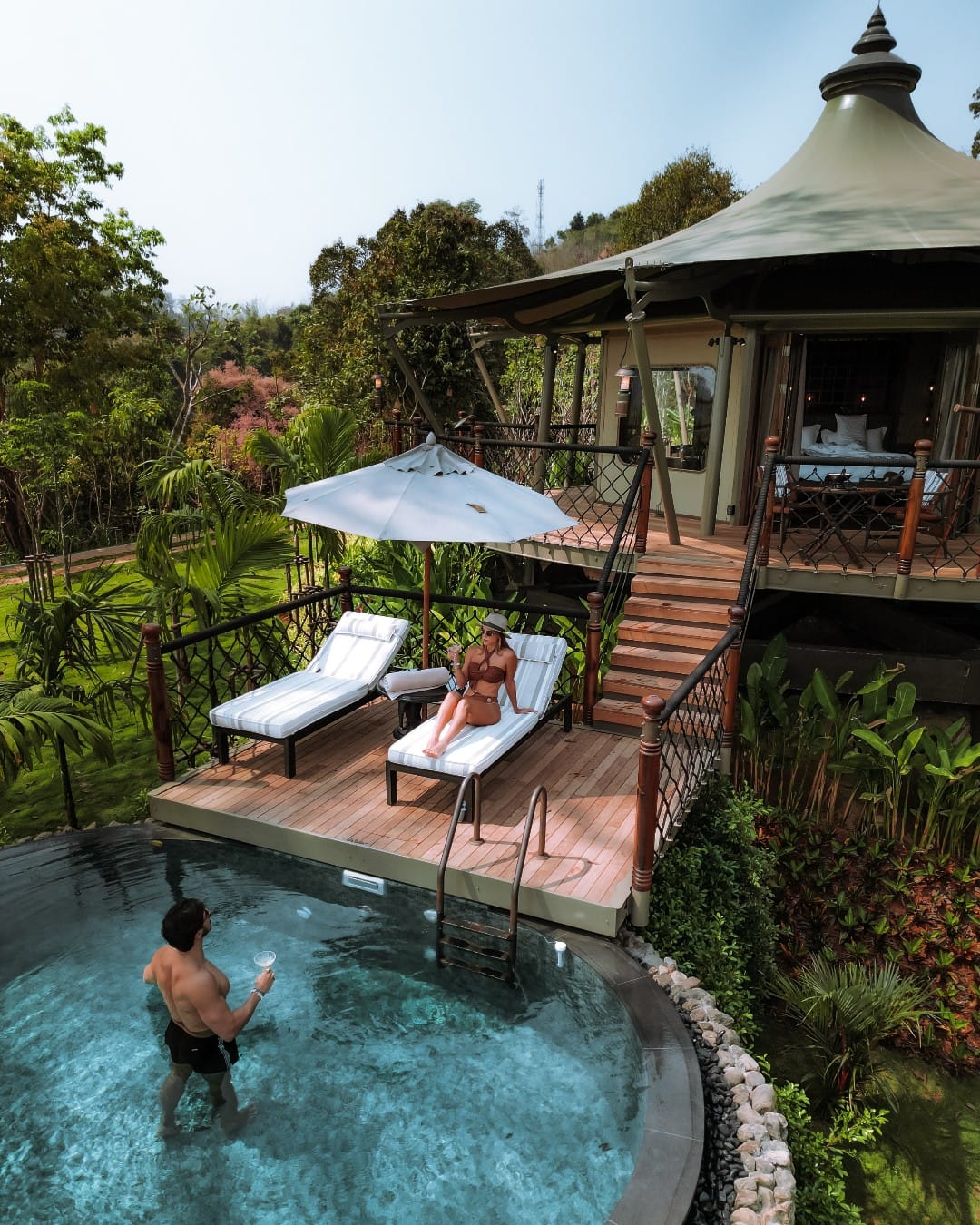
– Maximize open space: The design focuses on blurring the lines between inside and out. The spacious private balcony becomes a true outdoor living room.
– Create experience highlights: Placing high-end amenities in open spaces is an effective strategy. Private infinity pools and outdoor bathtubs are not just amenities, they are “stages” set for guests to fully immerse themselves in the landscape. These experiences are highly exclusive and are a decisive factor in increasing the value of each night's stay.
Issue 5: Building a deep, sustainable brand: Quality of experience and exquisite adaptation.
- Investor's Challenge: To command premium prices and be sustainable, a resort needs more than just facilities. It needs a story, a meaningful mission that connects with an increasingly environmentally and socially conscious customer segment. Today’s luxury travelers are increasingly conscious. They seek responsible brands, immersive experiences, and are willing to pay a premium for those values.
- Solution from Anantara Golden Triangle Resort:
– Integrate conservation into the core business model. The resort tent model already has a philosophy of respecting nature. Anantara has taken this to the next level by integrating conservation (Golden Triangle Asian Elephant Foundation) into the core of the business model.
– Create a value loop: Guests pay a premium price not only for luxury, but also for a unique and meaningful experience that contributes to conservation. This revenue is reinvested to protect and enhance the environment and experience itself. It is a sustainable business model where profit and good purpose go hand in hand and complement each other.
It is this conservation that creates unique experiences (like walking with elephants) that cannot be found anywhere else. These meaningful and unique experiences are what define the brand and allow the resort to command a premium price.
– Architecture is a manifesto: The choice of a “lightly touching the ground” tent architecture is a strong and visual statement of the brand’s commitment to sustainability, creating trust and a deep connection with customers.

Conclusion: Lessons from an Icon
The Anantara Golden Triangle case study demonstrates that tent architecture is not just an aesthetic trend, but a comprehensive technical and business solution that addresses the challenges faced by luxury resort developers. These challenges include differentiation, building efficiently on difficult terrain, ensuring quality and durability, maximizing the value of the guest experience, and building a sustainable brand. This approach opens a strategic roadmap for next-generation resort projects.
From a professional perspective Flexiiform, the success of projects such as Anantara Golden Triangle Resort Tent has validated our belief in the power of tensile membrane architecture, which is key to unlocking the future of hospitality – one that is more flexible, more sustainable, more experiential and more deeply connected to place.
Investors and developers are no longer asking whether luxury resorts will follow the new rules, but how to implement them effectively. With the right vision, technology, materials and expertise, the blueprint for the next generation of iconic destinations is ready. The future is not built of concrete and steel; it is woven from innovation, from stories, and from a deep respect for the world we live in.